| Global | Local | |
|---|---|---|
| Fossil Fuels | 81-82% | 79% |
| Low-carbon Sources | 38% | 21% |
Over the past decades, almost all people worldwide have access to electricity.
However, as electricity consumption rate increases, the prices in order to keep access of electricity becomes more expensive.
Electricity costs have been climbing across much of the world, in response, many countries shift to renewable and affordable energy (Statista Research Department, 2025).
Certain factors that are driving this problem include fossil fuel dependency, conflicts between countries, maintaining and upgrading power grids, infrastructure, and climate change impacts.
Moreover, our excessive use of fossil fuels lead to severe negative impacts contributing to air pollution (Mayr & Rentschler, 2023, p. 4).
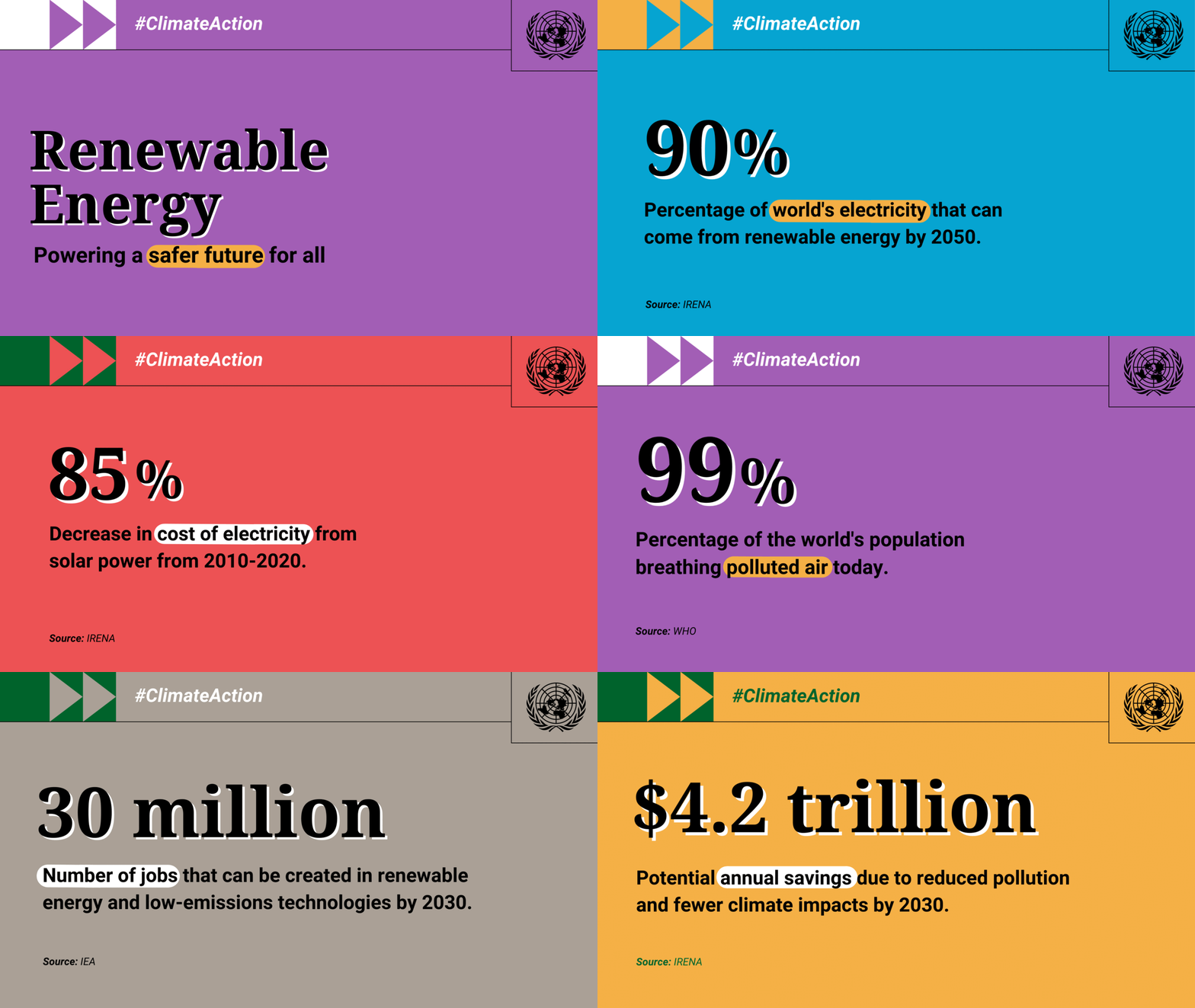
As of 2023, around 81-82% of our global primary source of energy are from fossil fuels (Venditti, 2024).
On the other hand, only 38% of global electricity is clean and renewable, followed by 28% natural gas, 15% coal, 11% oil, and 8% nuclear (International Energy Agency, 2025, p. 5).
In the Philippines, 79% of electricity is from fossil fuels, 21% is from low-carbon sources, and only 3.8% from solar and wind energy (Ember, 2025).
| Global | Local | |
|---|---|---|
| Fossil Fuels | 81-82% | 79% |
| Low-carbon Sources | 38% | 21% |
A sustainable future is largely dependent on renewable energy. Teaching everyone how we can benefit from it is the simplest approach to help. We can organize discussions, campaigns, and social media updates that highlight how it saves natural energy and lowers pollution. Futhermore, remind everyone that promoting renewable energy fosters innovation and, most importantly, environmental preservation
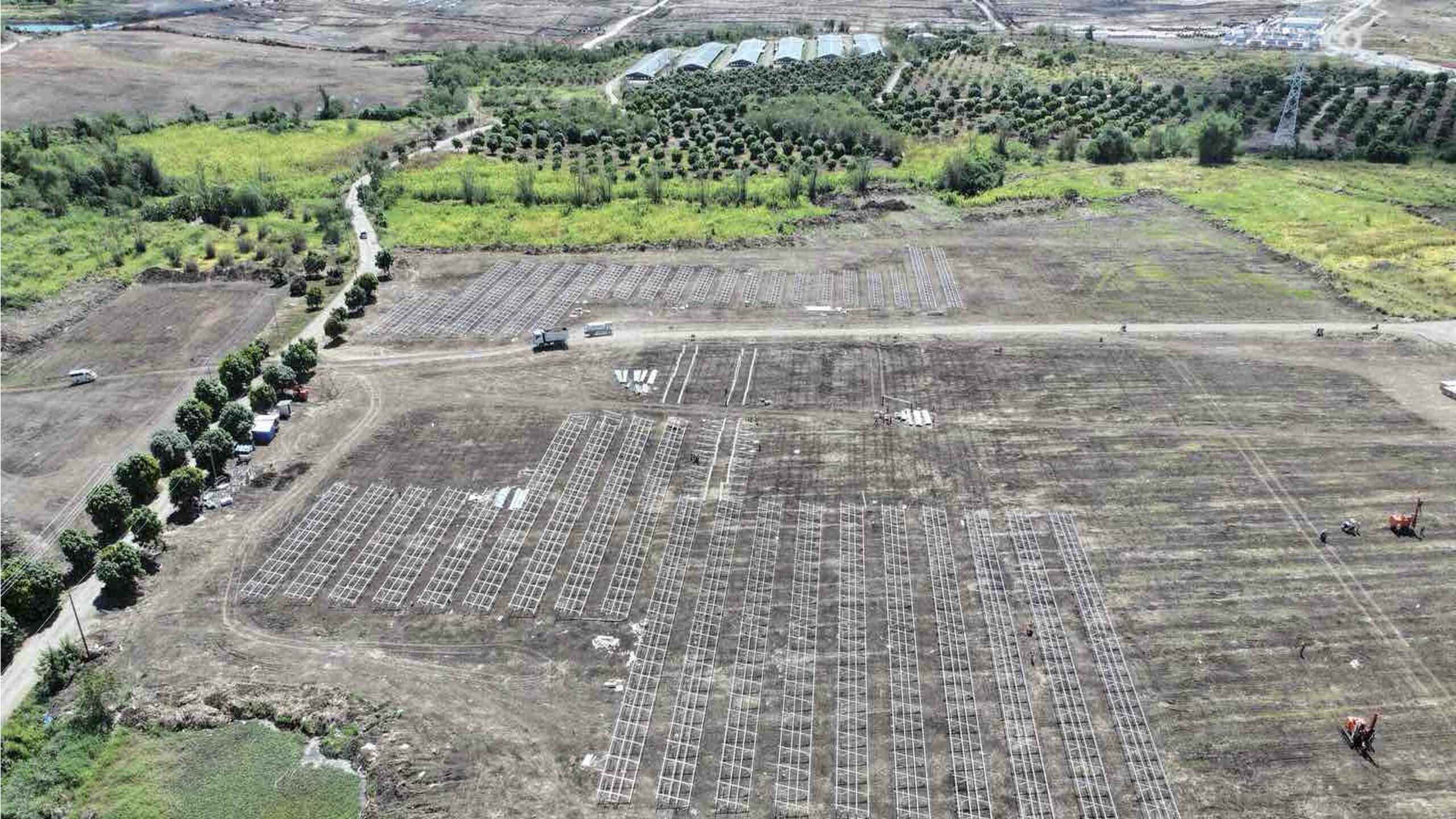
Image source: MGEN Champions Renewable Push at Solar & Storage Live PH 2025 - Meralco PowerGen
The Philippines has made programs, projects, and laws aiming to expand access for clean energy to the people.
Some examples are the National Renewable Energy Program (NREP), the Nueva Ecija Solar Farm, and the Renewable Energy Act of 2008 (RA 9513).
As of recently, the Philippines government and Masdar signed a $15 billion agreement that would develop renewable energy infrastructure, allowing the Philippines meet its goal of 35% renewable energy by 2030 and 50% by 2040 (Fuller Academy, n.d.).
A few months before this, Terra Solar Philippines, Inc. (TSPI), alongside Meralco PowerGen Corporation (MGEN) and SP New Energy Corporation (SPNEC), officially established the MTerra Solar Project (Meralco PowerGen Corporation, 2024).
Stated by President Marcos Jr., “This landmark project will put our country on the map as a leader in renewable energy.”
He also added, “The Terra Solar power project is designed to address two critical challenges of our time: the surging demand for electricity and the pressing need to shift to renewable and sustainable sources of energy.”
In addition to these projects, Republic Act No. 9513, approved on December 16, 2008, is an act promoting the development, utilization, and commercialization of renewable energy resources and for other purposes (Department of Energy Philippines, n.d.).